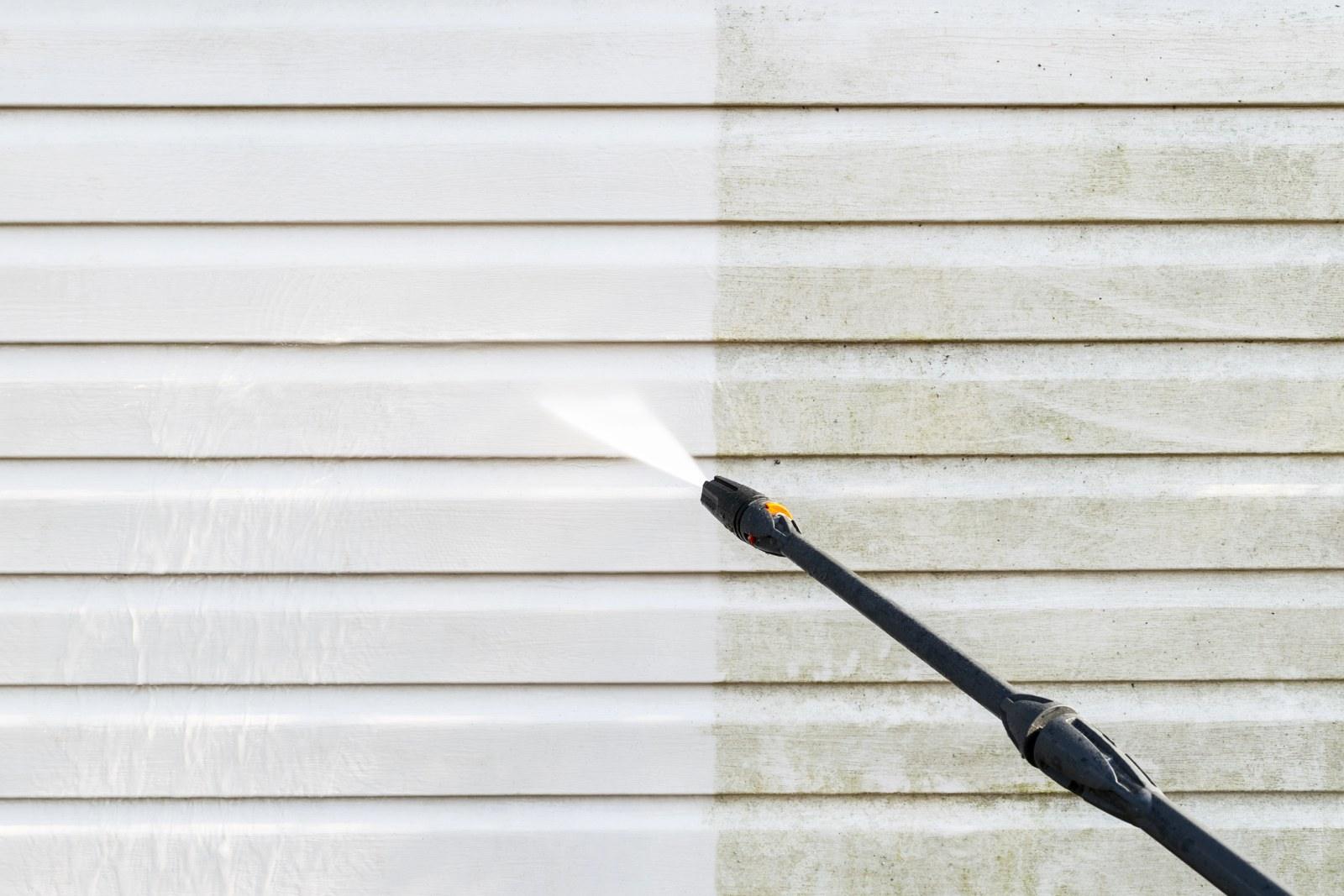
For most homes, the right answer is both, each on the right surface. Soft washing is the safer choice for siding, roofs and painted wood. Pressure washing is the better tool for concrete driveways, sidewalks and other hard, bare surfaces. The difference between soft washing and pressure washing comes down to what does the cleaning. One uses force, and the other uses a cleaning solution. Pick the wrong one, and you can damage the very surface you meant to clean.
Many homeowners assume more pressure means a deeper clean. On hard concrete, that is often true. On siding and shingles, it backfires. High pressure can tear up a soft or layered surface faster than it cleans it. So the soft washing vs. pressure washing question is really about each surface on your home. What is it made of, and how much force can it take? Answer that, and the right method becomes clear.
This guide explains how each method cleans and which parts of a home call for each one. You will see the damage high pressure can do to siding, wood, windows and roofs. You will also learn the warning signs of a wash that went too far. Last, we show how one visit can use both methods on the same property.
Pressure Versus Chemistry: How Each Method Cleans
Pressure washing uses a high-pressure stream of water to blast dirt, grime and stains off a surface. The force does the work, so it suits tough, hard materials that can take a beating. Soft washing uses low pressure, closer to a strong garden hose, along with a cleaning solution. The solution kills mildew and algae and loosens dirt. A gentle rinse then carries it all away. One method cleans with muscle, and the other cleans with chemistry.
The stain you are fighting also points to a method. Caked dirt, chewing gum and tire marks on concrete need force to break loose. Mildew, algae and the black streaks on roofs respond to a cleaning solution instead. Oil and rust are different again and usually need a pre-treatment, whichever method follows. Match the stain and the surface together, and the right method is easy to spot. Most homes have a mix of both kinds of stains.
Where the Cleaning Solution Does the Work
Most soft wash solutions are a diluted form of sodium hypochlorite, the active ingredient in household bleach. A surfactant, which works like soap, helps the mix cling to siding instead of running straight off. The solution sits for a few minutes to break down mildew and algae, then gets rinsed away. Plants nearby are usually wet down before and rinsed after to keep the mix diluted.
- Pressure washing uses high-pressure water and works best on hard, bare surfaces like concrete.
- Soft washing uses low pressure plus a cleaning solution and works best on siding and roofs.
- Pressure washing removes caked dirt, chewing gum and ground-in grime by force alone.
- Soft washing kills mildew and algae at the source, so stains are slower to come back.
Matching Siding, Roofs and Concrete to a Method
A careful cleaning crew walks the property and sorts each surface before turning on any equipment. Vinyl siding, painted wood, stucco and older brick get a soft wash. Asphalt shingle roofs get a soft wash too. The roofing industry warns that high-pressure washing is likely to damage shingles. Concrete driveways, sidewalks and poured concrete patios can take higher pressure. We also note windows, light fixtures, outlets and plants that need protection along the way.
Getting this right matters because each surface fails in a different way. Concrete is hard and porous, so pressure lifts dirt out of its pores. Siding is thin and overlapped, so pressure finds the seams. Shingles carry a coat of granules that shield them from the sun. Force knocks those granules loose and shortens roof life. So which washing method is safe for siding? A soft wash, in nearly every case, and the roof above it needs one too.
- Siding material, such as vinyl, painted wood, fiber cement, stucco or brick.
- The age and condition of paint, caulk and window seals around the house.
- What the stain actually is: loose dirt, mildew, algae, rust or oil.
- How shaded each wall or roof slope is, since shade usually means heavier growth.
What Goes Wrong When High Pressure Hits Siding
High pressure on siding can cause damage that costs far more than the cleaning saved. Vinyl panels overlap, and a strong stream aimed upward can push water behind them. That trapped water can lead to moisture problems inside the wall. On painted wood, pressure can strip paint, raise the grain and leave the surface rough and splintered. Caulk around windows and trim can also tear loose. Many of these problems stay hidden until weeks or months later.
Alabama homes face a second risk. Montgomery gets about 51 inches of rain a year. Humid air then keeps walls damp for long stretches between storms. Water forced behind siding has a harder time drying out in that climate. Over time, that trapped moisture can lead to rot or mold. That makes a gentle approach even more important on shaded walls that rarely see direct sun. A soft wash cleans those walls without adding water where it does not belong.
Lifted Vinyl, Etched Wood and Broken Seals
Look closely after any wash done with too much pressure. Warning signs include loose or wavy vinyl panels and wood with a fuzzy or etched surface. Fogging between the panes of a double-pane window means a seal has failed. Extra shingle granules in the gutters are another sign a roof took too much force. Catching these early lets you get repairs started before water causes more harm.
- Ask how the crew plans to clean your siding and roof before any work begins.
- Point out older paint, loose trim or fogged windows so those areas get extra care.
- Close windows and doors so spray and cleaning solution stay outside the house.
Using Both Methods on the Same Home
Most homes need both methods on the same visit. A typical job pairs a soft wash for the siding with a pressure wash for the driveway. The front walk and patio usually get pressure too, depending on their material. The roof, if it has black streaks, gets its own soft wash. Using each method where it belongs gives an even clean without risking the surfaces that cannot take force. It also means one crew handles the whole outside of the home.
So, is soft washing better? It is better for siding, roofs and anything painted, while pressure is better for bare concrete. Neither method wins everywhere. The useful question is which surfaces need cleaning and what is growing on them. Once you know that, comparing quotes and choosing a crew gets much easier. You will also know what to ask before anyone aims a pressure wand at your house or roof.
Get the Right Wash for Your Home's Surfaces
Our crew soft washes siding and roofs and pressure washes concrete, matching each method to the surface. Request a free estimate for house washing that keeps your home's surfaces safe.