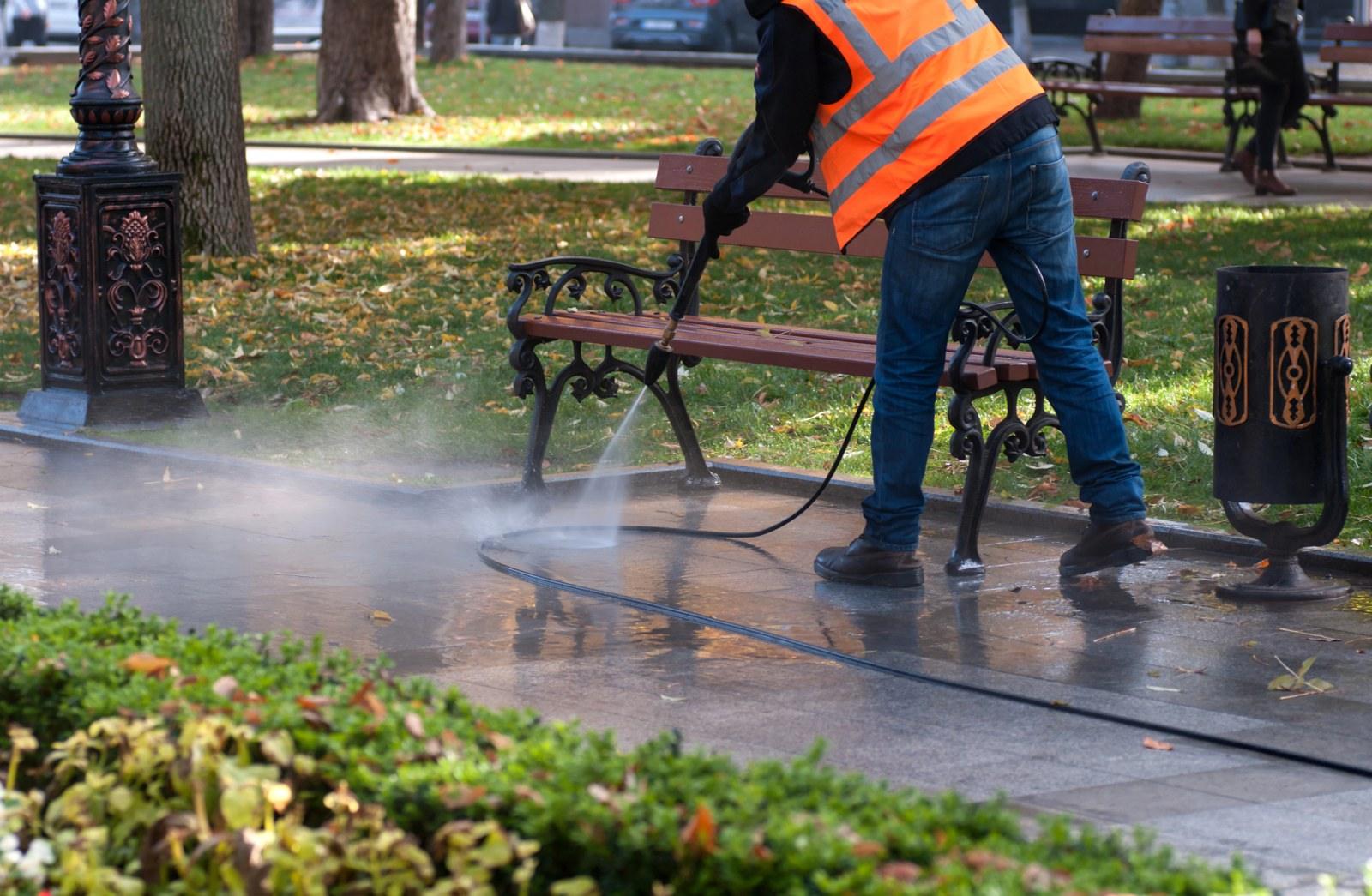
A good pressure washing checklist for property managers starts with the spots people see and touch every day. That means main entries, walkways, breezeways, stairwells and the storefronts along your sidewalks. Next come the hard-use areas, such as dumpster pads, drive-thrus and loading docks. Building faces round out the list, since they usually get dirty more slowly. Each area dirties at its own pace, so give every item its own schedule instead of one wash for everything.
Apartment communities, shopping centers and warehouses each lean on different parts of that list. A shopping center's storefronts and sidewalks shape a shopper's first impression of every tenant. An apartment community gets judged by its breezeways, stairwells, mail area and pool deck during every tour. A warehouse needs clean, safe loading docks and truck aprons more than a spotless front wall. Building your list around how people use the property keeps your budget on the areas that matter most.
A checklist only helps if it fits daily life on a busy, occupied property. Tenants still need to reach their doors, and shoppers still need a place to park near the stores. Weather shifts the calendar too, especially during pollen season and summer storms. A working list answers what to wash, what to ask a crew, when to schedule and how often to repeat.
The Areas Tenants and Shoppers Notice First
Entries and walkways come first, because every tenant, resident and customer crosses them each day. Gum, spilled drinks, tracked-in mud and dark mildew build up fastest near doors and shaded sidewalks. Breezeways and stairwells collect cobwebs, dirt in the corners and water stains under the rails. Storefront columns and the lower few feet of walls catch splash from rain, sprinklers and passing cars. On apartment properties, mail areas, leasing office entries and pool gates see heavy daily traffic too.
Clean entries also matter for safe footing on rainy days and humid mornings. Mildew on shaded concrete turns slick when wet, so clean walkways help with footing as well as looks. Put these high-traffic spots on the shortest repeat schedule in your commercial property cleaning checklist. They also set the tone for the rest of the property, from parking lot to office. A clean entry makes a building feel cared for long before anyone reaches the front door.
Dumpster Pads, Drive-Thrus and Loading Docks
These areas take the heaviest abuse on most commercial properties, day after day. Dumpster pads collect food waste and grease that draw pests, and drive-thrus build up oil drips and tire marks. Loading docks gather fluid leaks, tire rubber and ground-in grime from trucks and forklifts. Between washes, closed dumpster lids and quick spill cleanup keep that mess out of nearby storm drains when it rains.
- Main entries, lobby doors, ramps and the sidewalks that lead up to them
- Breezeways, stairwells, landings and the walkways that connect each building on the site
- Storefronts, columns, signs and the lower walls that face the parking areas
- Dumpster pads, drive-thru lanes, loading docks and the truck aprons in front of them
What a Commercial Washing Crew Walks Through With You
Before we quote a commercial property, we walk it with you or your maintenance lead. We look at each surface on the property and decide which cleaning method and pressure it needs. Concrete walkways, curbs and dumpster pads can usually handle high pressure without trouble. Painted, older or stucco building faces get lower pressure and a cleaning solution instead of force. Gum, grease and drive-thru oil get a pre-treatment, and any standing oil is soaked up before washing starts.
The walk-through also covers the practical side of the job on your site. We find the water spigots, note where cars and trucks need to get through and look at the landscaping. Then we plan the order of work so key entries can stay open in sections. For an apartment complex pressure washing plan, this is when you pick which buildings go first. It is also the time to decide how residents and tenants will hear about wash day.
- Which surfaces can take high pressure, and which need a low-pressure soft wash instead?
- Which water spigots can the crew use at each building on the property?
- How will entries, parking and deliveries stay open while sections are washed?
- Which planters, signs and parked cars need protection from overspray during the wash?
Scheduling Washes Around Tenants, Traffic and Weather
The best time to wash any area is when the fewest people need it. For shopping centers, that often means early in the day before most stores get busy. Warehouses are often easiest to wash during slow periods between shipments or around shift changes. Apartment communities usually do best in the middle of a weekday, when many residents are away at work. Washing in sections lets you keep one entrance or stairwell open while the one next to it is cleaned.
Weather shapes the washing calendar for every property in Central Alabama. Yellow pine pollen coats walkways, cars and storefronts for a few weeks each spring. A wash timed right after the heaviest pollen settles stays clean much longer than one done during it. Summer storms splash red clay and mud onto curbs and lower walls, so plan a late-season touch-up. Leave some slack in the schedule too, since a heavy afternoon storm can push a wash back a day.
Giving Residents Notice Before Wash Day
Residents and tenants handle wash day much better when they know it is coming. Send notice a few days ahead with the date, the buildings involved and what you need from them. Ask residents to move cars, bring in doormats, close windows and clear balcony items near the walls. A reminder posted the day before catches anyone who missed the first notice.
- Mark which parking rows must be empty and post signs where drivers park
- Tell commercial tenants which entrance stays open while their storefront is being washed
- Share a contact name and number so residents can report a missed spot afterward
Matching Wash Frequency to Each Part of the Property
Each part of the property needs its own washing rhythm, set by traffic, food waste and shade. Dumpster pads, drive-thrus and restaurant entries need washing most often, because grease and food waste build up fast. Main entries, sidewalks and breezeways come next, with extra washes before busy leasing or holiday seasons. A wash right after spring pollen season helps these walkways look their best for summer. Building faces need it least often, usually when you see mildew, rust streaks or dirt lines.
Shade, sprinklers and nearby trees speed up regrowth on walkways, curbs and building walls. A shaded walkway may need more washes each year than a sunny one on the same property. Shopping center exterior maintenance often ties storefront washing to the holidays and busy shopping seasons. Write each area's schedule on your checklist, then adjust it after a few cycles of watching. When the list covers several buildings, one walk-through and one estimate can cover them all.
Put Your Property's Washing Checklist to Work
We help property managers turn a checklist like this into a washing plan for apartments, shopping centers and warehouses. Request a free consultation and estimate that covers every building you manage.