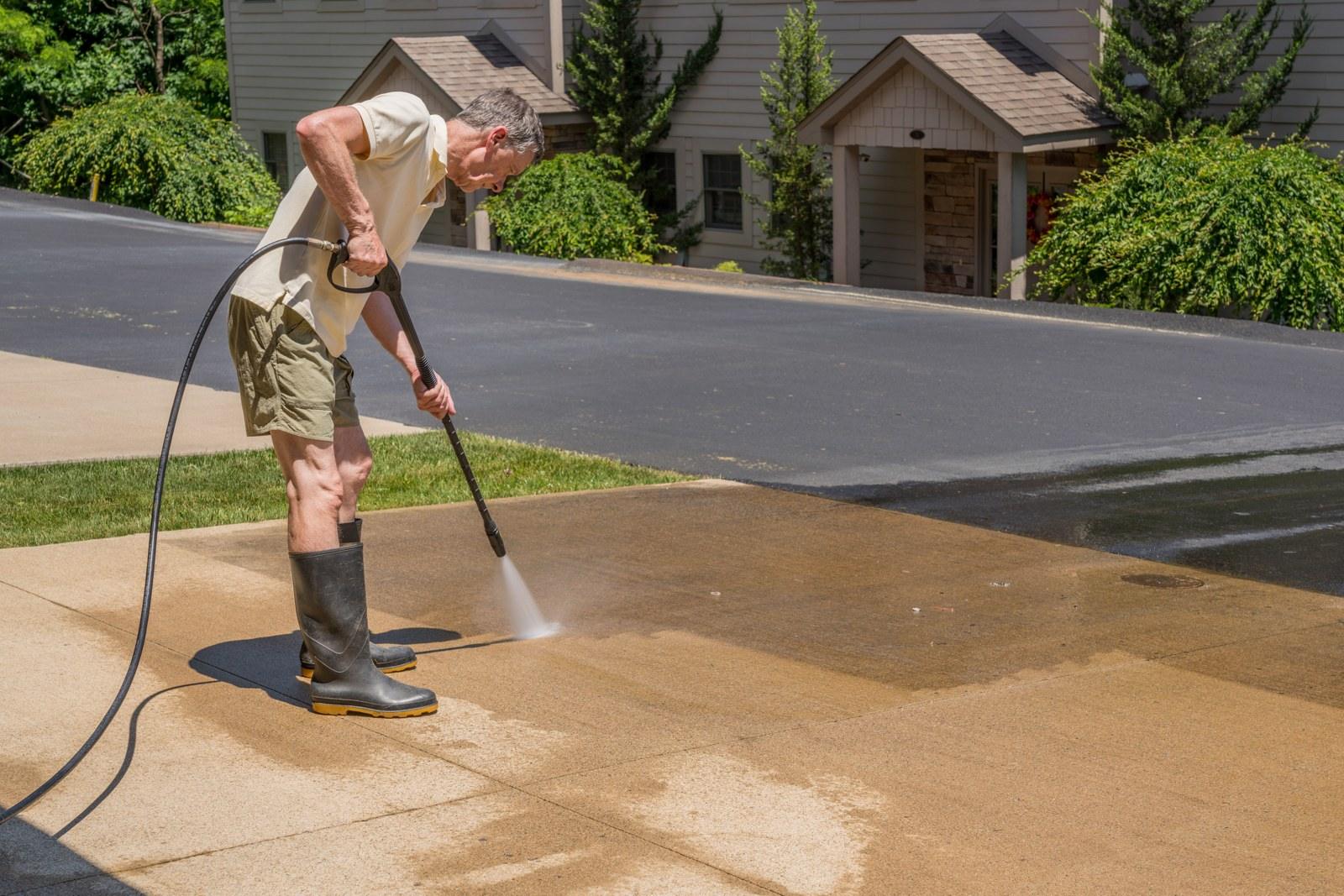
Most homes need pressure washing about once a year, while busy commercial properties need it far more often. A house with average shade can usually go a full year between washes. Shopping center walkways, restaurant entries and drive-thrus may need cleaning several times a year. Shade, trees, sprinklers and Alabama humidity can shorten any of those timelines. The right schedule comes from how fast dirt and growth return on your own property. Watching that pace tells you more than any set rule.
Knowing how often to pressure wash your property starts with sorting it into parts. A single building can have three or four different schedules at once. The siding may look fine for a year while the entry walk turns dark in a few months. A pressure washing schedule built around each surface keeps busy areas clean. It also keeps you from washing quiet areas more often than they need. That matters most on large sites with many surfaces.
Below, we cover how foot traffic and surface type change the timing. Next, you will see what a crew checks when setting up a schedule for a home or a commercial site. We also look at how pollen season and summer heat affect timing. Last, we list the signs that a property is past due for a wash.
Foot Traffic and Surface Type Change the Schedule
The more people walk, drive and eat on a surface, the faster it gets dirty. Gum, spilled drinks, food grease and tracked-in mud build up quickly where crowds gather. Concrete is porous, so these stains soak in and darken the surface over time. Siding and building faces collect dust and growth more slowly, since few people touch them. That gap is why walkways often need washing well before walls do. It also explains why entries look dirty first.
Surface type changes the method as well as the timing. Hard concrete can take regular pressure washing, so busy walks can be cleaned often without harm. Siding, roofs and painted areas get a gentler soft wash. Because it kills growth, a soft wash tends to last longer between visits. Shade and moisture push every surface toward a shorter cycle. A shaded breezeway at an apartment community may need cleaning much more often than a sunny one.
Busy Storefronts Need More Frequent Washing
Storefronts and shopping center sidewalks take the heaviest daily wear. Customers drop gum, spill drinks and track in dirt from the parking lot all day. Drive-thru lanes and restaurant entries also collect grease and oil that turn slick underfoot. These spots often need washing several times a year to stay clean and safe. A dirty entry is also the first thing a shopper sees.
- House siding with average shade usually needs a wash about once a year.
- Driveways and front walks are often yearly, but sooner under trees or heavy pine straw.
- Shopping center walkways and storefront entries may need washing several times a year.
- Drive-thrus, dumpster pads and restaurant entries often need the most frequent cleaning on a site.
What Pros Check When Setting a Cleaning Schedule
A good washing plan starts with a walk around the whole property. A crew notes which areas get the most foot and vehicle traffic and which ones stay in shade. They look at trees, sprinkler heads and spots where water pools after rain. They also check each surface, from bare concrete to painted siding, since each one needs its own method. When we set up a plan, those notes decide how often each area gets washed.
These factors matter because they show where a wash does the most good. Washing a shaded entry often and a sunny wall yearly puts the effort where it is needed. For homeowners asking how often to power wash a house, a yearly wash covers most siding and concrete. Property managers can split large sites into zones, each on its own cycle. Knowing when to pressure wash a building then becomes a simple question of which zone is due.
- How many people walk, park or eat in each area on a normal day.
- How much shade, tree cover and pine straw each surface gets through the year.
- Whether sprinklers, gutters or poor drainage keep certain spots wet after rain.
- What each surface is made of and which washing method it can safely take.
Timing Washes Around Pollen Season and Summer Heat
The best time for a spring wash is right after the pine pollen tapers off. In central Alabama, pine pollen usually starts in mid-March, and the heaviest coating falls over the following weeks. A wash in late spring clears that pollen along with the dirt and growth underneath it. Summer heat brings a second timing issue, since cleaning solutions dry fast on sun-baked surfaces. Washing in the cooler morning hours helps solutions work evenly and rinse clean.
Summer storms create their own schedule pressure. Heavy afternoon rain splashes red clay and mud onto lower walls, curbs and walkways. Montgomery gets about 51 inches of rain a year, so that splash-back keeps coming through the warm months. Many commercial sites plan one wash after pollen season and another in late summer or fall. That second wash clears storm splash and mildew before the busy holiday shopping season. Homes with clay beds near the walls can benefit too.
Why Washing Before Pollen Ends Can Backfire
A wash in the middle of pollen season can look great for a day or two. Then the next yellow wave settles on the clean surface and sticks. Fresh pollen on damp concrete or siding also gives mildew a fast start. Waiting until the trees finish shedding gets you more clean weeks from the same wash, which makes each visit count.
- Note when the yellow dust stops building up on cars and outdoor furniture.
- Plan the spring wash for late spring, once the heaviest pollen has fallen.
- Add a late summer or fall wash if lower walls and curbs show clay splash.
Signs Your Property Is Overdue for a Wash
Your property is overdue when the dirt is easy to spot from the parking lot or the street. Common signs include dark spots on concrete, green film on siding and gum blotches at entries. Walkways that feel slick after rain are another warning, since algae and grime reduce traction. If you see these signs before your planned wash, your schedule is too long for that area. Shortening it for the worst spots usually fixes the problem. A pro can help you set that new cycle.
A good washing schedule fits the way your property is actually used. Start with a yearly wash for siding and quiet concrete. Then add visits where traffic and shade call for them. Time spring cleaning for after the pollen, and keep a close eye on shaded and high-traffic areas. Over a year or two, you will learn exactly how fast each part of your property gets dirty. From there, adjusting the schedule is easy.
Set Up a Washing Plan for Your Property
Our crew pressure washes concrete and soft washes siding for homes and commercial properties. Request a free consultation, and we will help you plan the right washing schedule for your property.