Yes, dirty solar panels lose power because grime blocks sunlight from reaching the cells. Dust, pollen and bird droppings sit on the glass and cut how much light gets through. The link between dirty solar panels and power loss is strongest with uneven spots, like a dropping over one cell. For most systems in Central Alabama, cleaning once or twice a year keeps the glass clear. Spring pine pollen is the most common reason to schedule that cleaning.
Many owners assume rain keeps panels clean, but it often leaves a thin film behind as it dries. The industry calls this buildup soiling. The National Renewable Energy Laboratory studied solar sites in the rainy Southeast and found that spring pollen lowered their output. Rain washed only some of it off, and the losses lingered well after pollen season ended. That finding matters here, since Alabama sees the same heavy spring pollen and plenty of rain.
A few questions decide whether a cleaning will actually help your system. Is the dirt an even haze, heavy spots, or something else, like shade or an equipment fault? How can the glass be cleaned without scratches or harm to the seals around each panel? Answering them in order keeps you from paying for the wrong fix or causing new damage.
How Pollen, Dust and Droppings Block Sunlight
A solar cell makes power from the light that passes through the glass above it. An even layer of dust or pollen dims every cell a little, like a light haze. A bird dropping fully shades part of one cell, and cells are wired together in a chain. That means one shaded cell can hold back the cells linked to it. Bird droppings dry hard and rarely wash off in the rain, so they keep shading the same cells.
How fast dirt builds depends on what is around your panels. Panels near pine trees, gravel roads, farm fields or construction sites collect more dust and pollen. Rooftops where birds perch on the ridge, a chimney or nearby wires get more droppings. Commercial roofs near loading docks, parking lots and busy roads pick up exhaust grime and road dust. Each source leaves a different film, and droppings can appear overnight while road dust builds slowly.
Why Low-Tilt Panels Hold More Dirt
Tilt matters because steep panels let rain run off and carry dirt away with it. Panels set flatter than about 10 degrees drain slowly, so dirty water dries in place. You often see a band of grime along the lower frame edge, where water collects and then slowly dries. Flat commercial roofs and low-slope carports need cleaning most often, while steeper home roofs stay cleaner longer.
- A yellow or green haze across the glass after pine pollen season ends
- White or dark spots from birds, often right below a roof ridge or wire
- A dark band of grime along the bottom edge of each panel frame
- Leaves, pine straw or nests caught under or between the panels
What to Check Before Blaming Dirt for Low Output
Before any cleaning, it helps to confirm that dirt is really the cause of low output. Your inverter screen or monitoring app shows how much power the system makes each day. Compare a clear day now with a clear day in the same season last year. A sudden, steep drop on sunny days often points to an equipment fault, which is a job for your installer. A slow, steady slide over several weeks fits dirt buildup much better.
Other causes are easy to mistake for dirt, and they are worth ruling out first. New tree growth or a new building nearby can shade part of the array for a few hours each day. Output also drops in winter, when days are short and the sun sits low in the sky. Solar panel efficiency loss from these causes will not improve with a wash. That way, a cleaning, when you need one, goes after the real problem instead of a guess.
- Daily output on clear days compared with clear days in the same season last year
- Error lights or messages on the inverter that point to an equipment fault
- New shade from trees, vines, antennas or nearby buildings
- How the dirt looks: an even film, heavy spots or buildup at the edges
How Often Panels Need Cleaning in Central Alabama
How often to clean solar panels depends on tilt, nearby trees and birds. For most systems in Central Alabama, once or twice a year is a sound starting point. The best time for one cleaning is late spring, after the heavy pine pollen has fallen. A second cleaning in fall clears summer dust and droppings before the short days of winter. Panels near pines, farms or busy roads may need more care, and so do panels at a low tilt.
Spring is the season that matters most for panels here. Pine trees release thick yellow pollen that coats cars, decks, panels and commercial roofs across the region. Oak pollen follows close behind, and on panels it mixes with morning dew into a sticky film. Pollen on solar panels is the main reason many local home and business owners add a spring cleaning. A fall cleaning then handles the dust, leaves and droppings that summer leaves behind.
Why Rain Alone Rarely Washes Pollen Off
Light rain wets pollen without carrying it away, and it leaves streaks and spots as it dries. Heavy rain does better, but pollen keeps falling for weeks, so the film rebuilds between storms. A garden hose used from the ground can loosen fresh dust on low, easy-to-reach panels. Follow your installer's shutdown steps first. Please do not climb onto the roof to reach them, since wet glass and shingles are slick.
- Check your monitoring app after pollen season and compare it with early spring
- Look at rooftop panels from the ground with binoculars instead of climbing up
- Note where birds perch so you know which panels collect the most droppings
Why Harsh Cleaning Can Hurt Panel Glass
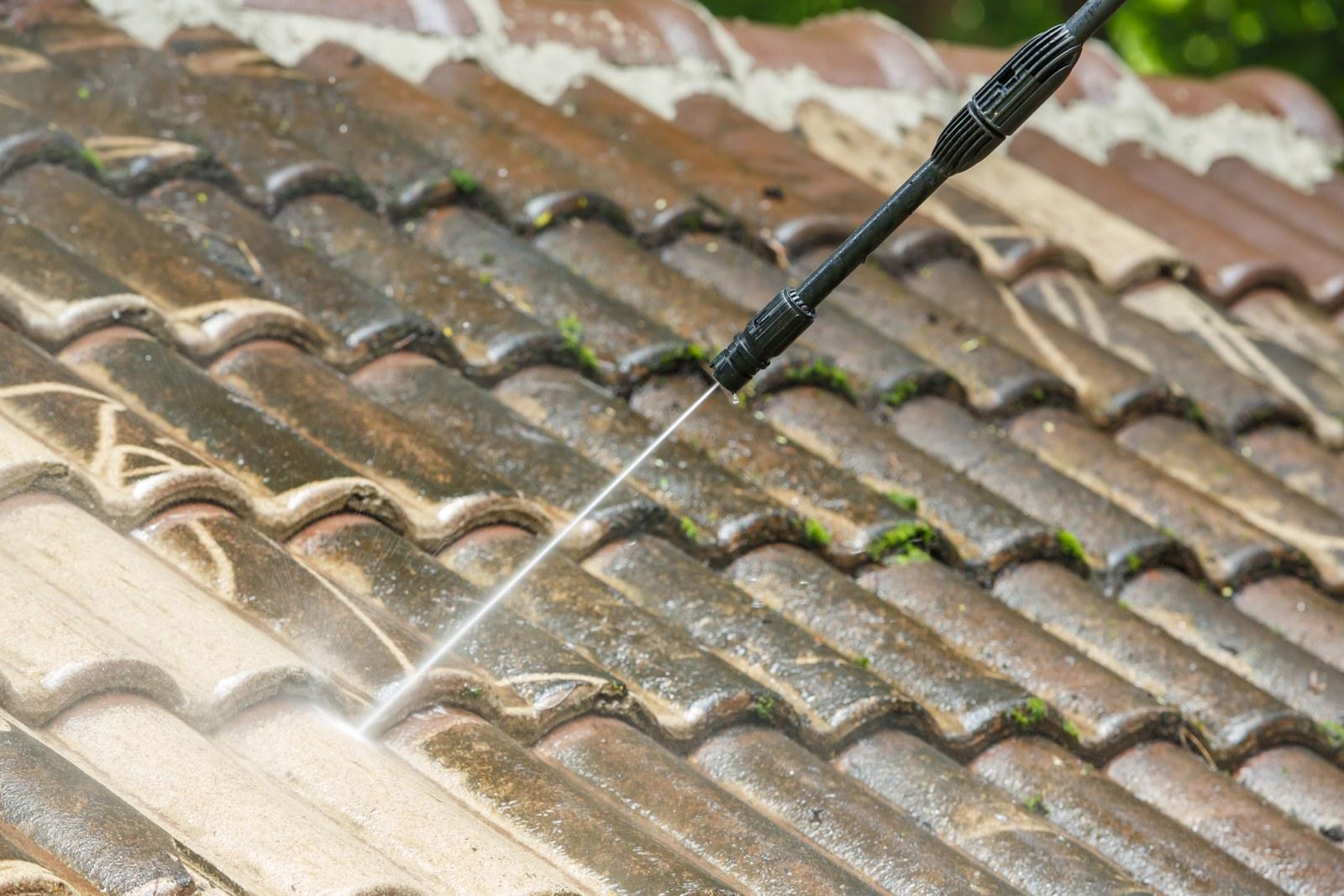
Harsh cleaning can scratch the glass or damage the seals around each panel. Panel makers warn against high-pressure washers, scouring pads, metal sponges and strong acid or alkaline soaps. Scratches scatter light and hold dirt, and damaged seals can let water into the frame. Cold water on hot glass can also stress it, which is why cool mornings are the safer time to clean. If your panels need more than a gentle rinse from the ground, call in a professional.
The best approach to dirty panels in this part of Alabama is calm and simple. First, check your monitoring data to confirm the drop, and rule out shade and equipment problems. Then clean gently when grime is the cause, and plan around pollen season to keep the effort small. A little attention once or twice a year keeps your panels catching the light they were built to use. Gentle methods also protect the glass for the long life of the system.
Bring Your Solar Panels Back to Clean Glass
Our crew cleans home and commercial solar panels with soft brushes and a low-pressure rinse. Request a free estimate, and we can plan your cleaning for right after pollen season.